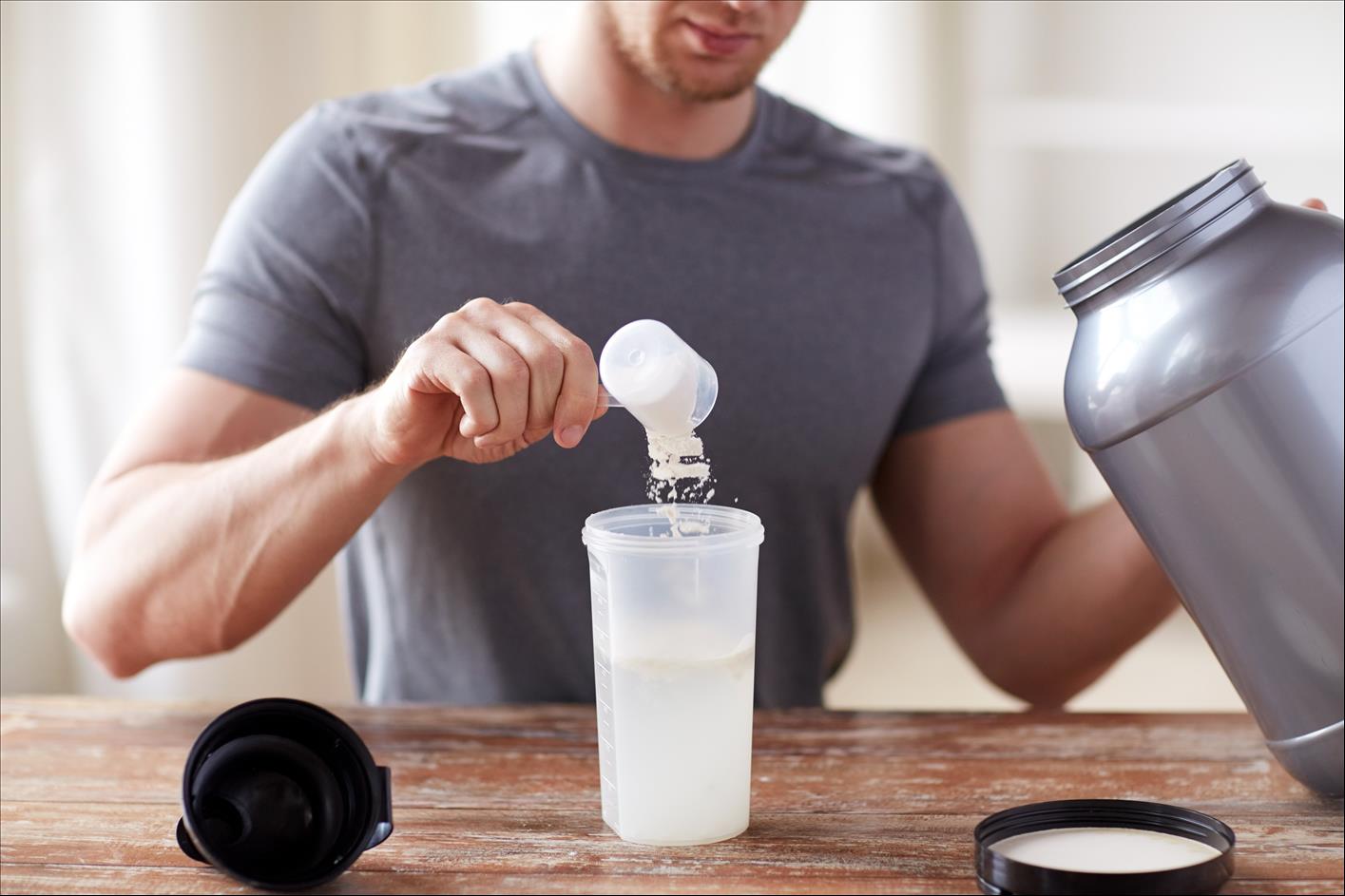
Consuming the right amount of protein is essential for rebuilding and repairing muscle tissue after a workout. Exercise can break down muscle fibers which in turn decreases muscle strength at the time. You need to make sure you are eating properly during the day, and after exercise, in order to compensate for and help with muscle growth.
Athletes need around 1.2 to 1.8 g / kg of protein per pound of body weight. Most bodybuilders get enough protein throughout the day by following a balanced diet. You don’t necessarily need to take protein supplements after training .
Supplements can be handy, but whole foods can do the trick when you need to replenish your nutrient stores after your workout.
When should you worry about your post-workout high protein snack?
Adults who exercise for 30 to 60 minutes 2 to 3 days a week probably don’t need protein right after exercise to repair their muscles.
Eating a balanced diet and eating before and after your workout is enough to provide your body with the necessary amount of protein to rebuild muscle.
People who train with specific performance goals, two or more hours a day, trying to build muscle mass should get enough carbohydrates and protein after exercise. They may need to take supplements and absorb extra calories in addition to their meals to achieve their goals.
20 to 25 g
Most scientists suggest consuming 20 to 25 grams of protein after exercise to help stimulate muscle growth and further increase muscle synthesis after exercise. Researchers at the Gatorade Institute of Sport Science suggest taking 20 to 25 grams of protein after exercise for athletes who weigh up to 100 pounds to stimulate protein synthesis.
Most protein powders will allow you to get that amount of protein in just one serving.
For heavier athletes
Heavier athletes may need more protein after exercise to stimulate muscle synthesis. Heavier athletes may need 30 to 40 grams of protein after exercise to rebuild their muscles after intense exercise.
According to the researchers, studies suggest that you should not exceed 40 grams of protein per serving. Taking a supplement that contains 50 grams of protein after exercise will have no additional effect.
What kind of protein?
Most nutrition and recovery trials looked at whey fat (why nutrition), since this is high in branched-chain amino acids that are used specifically for muscle development by the body. The whey protein is known as a whole protein, which ensures you receive all the necessary amino acids that you like.
Be careful with whey protein supplements because they are considered a supplement. The Whey protein can lower blood sugar, which can be dangerous for diabetics, such proteins is not recommended for people with an allergy to dairy products.
You can eat a whole food meal to provide your body with the protein you need, but you can also get protein supplements that are not derived from dairy products. However, this kind of protein powder may not contain as many branched-chain amino acids as whey protein.
Think about carbohydrates
Protein is essential for rebuilding muscles after exercise, but carbohydrates are also important for recovery, especially for endurance athletes or sportspeople who go through multiple workouts each day.
Consuming carbohydrates is necessary after exercise, in combination with protein, they help to rebuild glycogen stores in the muscles.
When to eat protein
Use of protein after exercise is ideally important for muscle reconstruction within 60 minutes after completing your workout. However, you should also use protein for stimulation of muscle synthesis 24 hours after exercise.
Eating 20 grams of protein every 3 hours can help build muscle. Again, you can achieve this goal either by eating whole foods or by taking protein supplements;
Muscle synthesis after exercise continues for 24 to 48 hours after exercise.
Conclusion
Long-term exercise will lead to an increase in your muscle strength. However, right after a session, the muscle fibers are damaged and must be rebuilt. Most adults can meet their protein needs by following a balanced diet.
The practice of intense exercise, or over a long period of time, justifies an intake of additional protein beyond your regular meals.
Most research suggests taking 20-25 grams of protein after exercise to support muscle synthesis.
 The Info Media