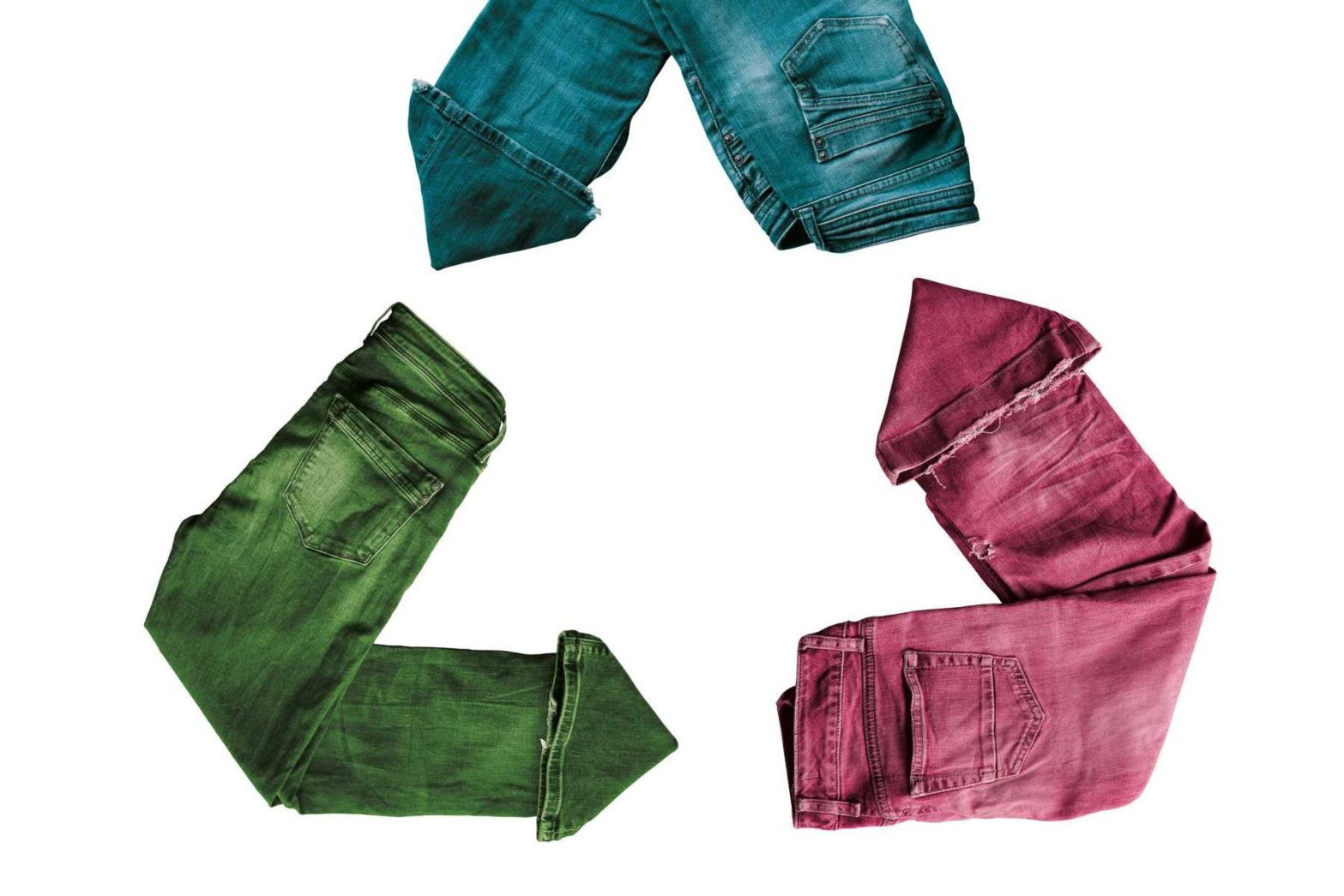
SUSTAINABLE FASHION
The fashion of tomorrow will be sustainable or will not be! Today, consumers are increasingly aware of the environmental impact of the clothes they wear. As proof, this concept, most often supported by young brands, such as Pachamama, who make it a pillar of their development from their launch, is nowadays more and more followed by big brands.
So what about sustainable fashion exactly? What does this mean and how to measure its impact on traditional fashion and the textile industry? Between Green Washing and real awareness, we try with this article to bring our stone to the edifice on the subject! This presentation is our vision, and you will surely find other interesting approaches. We also explain how we take the environment into account in the development of our Pachamama project and the manufacture of our backpacks.
WHAT DOES SUSTAINABLE FASHION MEAN?
THE FASHION INDUSTRY AND ITS DRIFTS
Often criticized for being very polluting, the textile industry is today at a decisive turning point. Yes, today the apparel industry is the world’s second most polluting industry. The use of pollutants in the textile manufacturing process and the long distances traveled by a piece of clothing before reaching the store near you are the main visible and concrete elements of this impact on the environment.
Nevertheless, the most alarming scourge these days (and perhaps less visible) is the significant increase in the production of clothing with the Fast Fashion system. Between 2000 and 2015, the production of clothing doubled to reach nearly 100,000 million clothes sold each year.
This system is particularly harmful to our planet because, in addition to increasing the pollution mentioned above, the clothes produced are generally of poor quality and do not last over time. We are talking about low-cost clothes. In order to produce at low cost, manufacturers favor weak materials that will not offer great durability. The cycle of overconsumption is thus put in place and also leads to significant waste.
Beyond the environmental aspect, the fast fashion and low-cost production system also cause a major social problem. Indeed, many workers in the textile industry find themselves working in very difficult conditions, even inhuman because the industrialists of the sector seek to rationalize production costs to the extreme, to the detriment of other stakeholders. We talk to you in more detail about this social aspect in our article dedicated to fair trade.
SOLUTIONS FOR MORE SUSTAINABLE FASHION
To combat this phenomenon and make way for more sustainable fashion, the first solution is, therefore, to produce less. Reducing the quantities produced can, therefore, have a real positive impact on the environment. However, the quantities produced will only decrease if demand also decreases. It is for this purpose that educating the customer about Fast Fashion’s excesses and the fashion industry’s environmental effects is important.
The new dynamic around slow fashion perfectly symbolizes this consumer awareness of the fashion industry. Slow fashion, also called responsible or sustainable fashion, consists of consuming less but better. This consists of giving priority to good quality pieces in your wardrobe that will last over time. We explain this concept in more detail in our article dedicated to ethical fashion that we encourage you to read! Although this trend has taken off in recent years, it is still quite marginal compared to the system currently in place for fast fashion. Its development requires more action on the part of players in this sector.
THE FASHION OF TOMORROW, SUSTAINABLE FASHION?
Today, some positions are emerging worldwide. For example, international brands are developing collections based on recycled materials. In 2019, the fashion giants also signed agreements to reduce their environmental impact in the “Fashion Pact.” All this is positive and goes in the direction of awareness of current environmental issues.
However, it is difficult to judge and measure the real benefits of these actions in the short term, and brands are often accused of using climate emergency as a marketing slogan. They are then taxed with green washing. Green washing is a marketing process that consists of giving your company an eco-responsible and respectful image of the environment, through communication campaigns, while this is not always the reality.
If the transition to a more sustainable fashion does not come from the manufacturers themselves, they may be pushed by the new generations. Indeed, the young generations are more and more concerned about their consumption and inclined to choose ethical and sustainable brands in their purchases.
THE CHOICE OF MATERIALS
So, regarding raw materials, companies make our bags from materials chosen in the region. Whether it is leather, metal parts, ague, our objective is to buy raw materials locally and to favor short circuits in order to participate in the Bolivian economy and minimize our environmental impact.
In addition, companies have chosen to favor eco-responsible materials to pack your pretty backpacks. So you will receive your backpack in a nice tote bag. As for our small leather goods, it is packaged in recycled paper pockets.
The online media Sustainable Info has also written a nice article on the ethical approach of our Pachamama project, which we encourage you to read!
THE CHOICE AND MANUFACTURE OF LEATHER
Now products are made from cow leather from Bolivia and intended for food. In order not to enter into a system of overconsumption and to maintain a reasoned production, we use all the skins, even the parts with slight irregularities. These shades are sometimes visible on our leather backpacks, and we are proud of it! They contribute to the charm and uniqueness of each Pachamama backpack.
Companies manufacture our bags from vegetable-tanned leather. The use of this low environmental impact process responds to our desire to follow a responsible approach. Indeed, vegetable tanning consists of tanning the skin with natural substances, vegetable tannins, which are recovered, for example, in the bark of trees.
This method makes it possible to obtain leathers that are more respectful of the environment and are therefore more suited to our desire to participate in an ethical fashion. We will explain in more detail the process of making leather in an article dedicated to leather and its manufacture.
In addition, the solidity of this type of leather is particularly suited to our desire to produce resistant and high-quality bags that will sustainably support the customer in their daily life.
Sustainable fashion seems to be more and more present today. Environmental concerns now appear as an important or even essential component in the consumer purchasing process. And that’s good!
 The Info Media