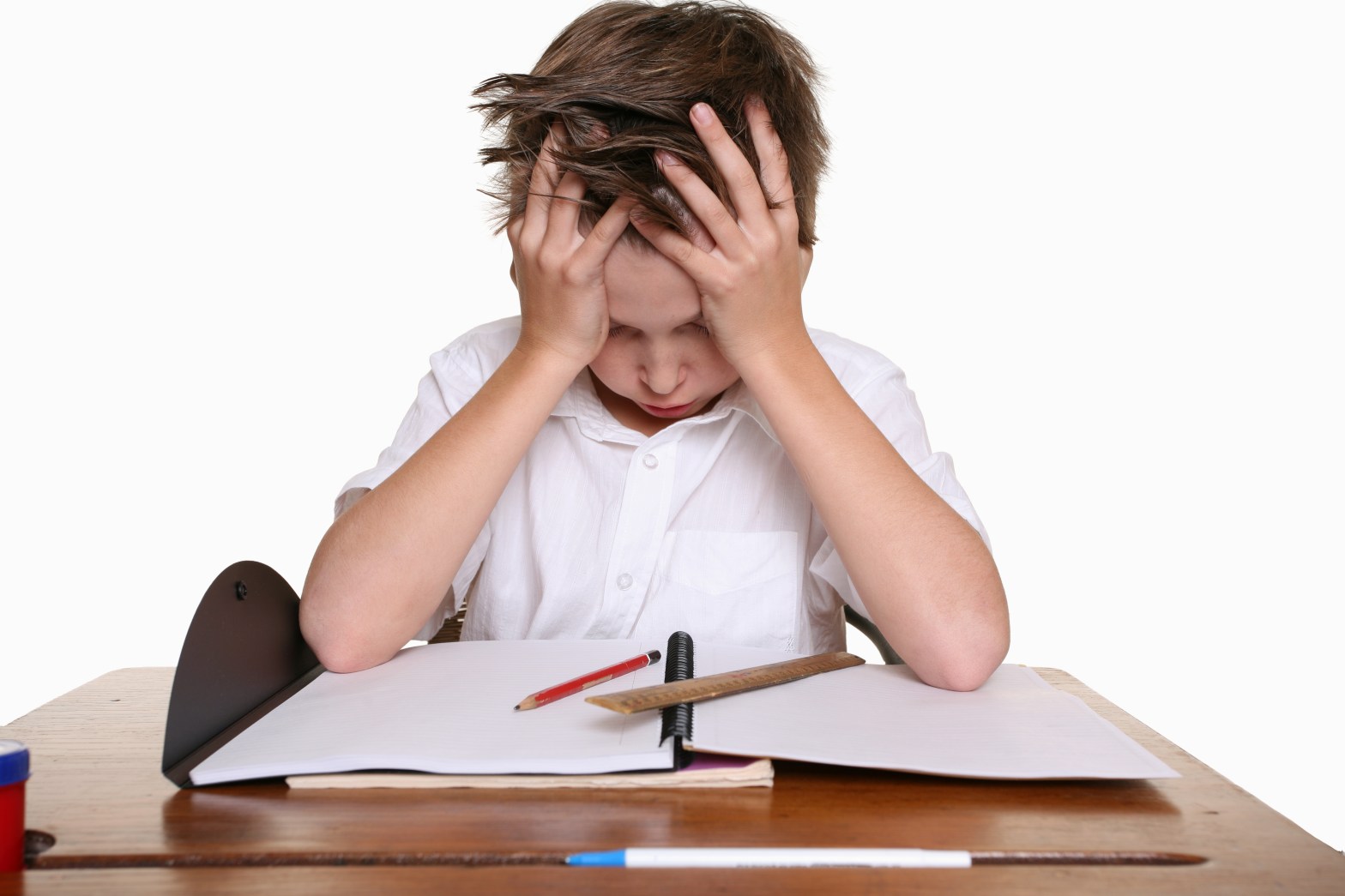
The list of childhood mental health problems that could affect a loved one is long. Depression, psychosis, mental health, or eating disorders … It is estimated that approximately 20% of young Canadians suffer from one of these diseases.
According to the Mental Health University Institute, the most common mental health problems in children are anxiety disorders, attention deficit disorder with or without hyperactivity (ADHD), depression, behavioral disorders, psychosis, sleep disturbances, and eating disorders.
So how do we spot the mental health disorder in our child? And above all, what is the process to find the appropriate treatments so that families and children can lead normal lives?
Mental health disorder: children and adults, same fight?
First of all, you should know that the factors causing mental health problems in children are the same as adults. Genetic makeup increases the risk of suffering from a disorder, which can then be aggravated or triggered by environmental aspects and stress.
If these have been recognized in young people for only a few decades, several studies have shown that the number of symptoms and the severity of these disorders is identical to those detected in adults.
On the other hand, this makes the diagnosis difficult, the child will tend to express his problems in different ways since he is not always aware of his discomfort and struggles to express it.
For example, major depression will affect the adult in his daily life. At the same time, the youngest will be able to function correctly in certain cases while retaining pleasure in the practice of their activities.
The first indicator that might give you a wake-up call is often behavioral changes, even small ones. Has your child lost interest in their favorite hobbies? Do you feel he is less invested than usual? Does he perform his routine tasks with less enthusiasm?
Externalized troubles
And depending on whether mental health disorders are externalized or not, screening can be more or less difficult. Indeed, behavioral, conduct, oppositional problems with provocation, or attention deficits with or without hyperactivity will tend to appear relatively quickly and therefore to be detected more easily, as in a school setting, for example.
So do not hesitate to meet the teachers and any other adult who works with your child daily. Also, be aware that it is not uncommon for young people to act differently from one area of their life to another.
Internalized disorders
Conversely, young people suffering from internalized mental health disorders, such as mood disorders (depressive, bipolar) or anxiety, will rarely express their difficulties.
If you have any doubts about your child’s well-being, it is important that you ask them questions and that they feel heard. Be sensitive to his difficulties without ever minimizing the difficulties he faces. Encourage him to confide in you or any other adult around him.
If your child is shy and finds it difficult to express his emotions, do not hesitate to suggest that he imagine a story or draw what he feels.
In addition, a tool developed by professionals and various Quebec organizations could also enlighten you on a possible mental health disorder. The refer-O-Scope is full of valuable information about mental health disorders, in addition to offering a questionnaire that will guide and guide you in your research.
And after that?
If your concerns about a mental health problem in your child are confirmed, know that many remedies are available. First, make an appointment with your family doctor, or ask your CSSS for information on the procedure to follow to obtain a diagnosis and possible treatment.
The latter also offers a host of assessment, follow-up, treatment, intervention and support services, in addition to directing children and families in difficulty to the appropriate resources, such as a psychiatrist or a psychologist. . However, you often have to be patient the waiting time to see a specialist in Quebec can be quite long.
Depending on the mental health disorder detected and its severity, and even before considering taking medication, therapies are very often preferred at first. Children generally respond very well, in particular thanks to their constantly developing brain plasticity, unlike adults. It is also not uncommon to see an improvement in your child’s condition from the first sessions.
If, on the other hand, your child’s mental health disorder requires it, medical treatment could be offered in parallel.
Prevent mental health disorders
Just like in adults, mental health problems must be treated to prevent them from recurring. According to Canada’s Mental Health Commission, 70% of adults with mental health problems believe their symptoms started in childhood.
Whether individual or family, therapists will then allow children to acquire the necessary tools to manage their daily stress or overcome the difficulties they will face during their life.
Also, the establishment of healthy lifestyle habits is essential to reduce the risk of recurrence. Adopting a balanced routine, from sleep to eating, as well as a healthy social and emotional environment, will go a long way in stabilizing your child’s mental health disorder daily. Contact Kentucky case management to treat the mental health of your child.
 The Info Media